
 Business License

Twin vs Triple Blade Disposable Razors: Cost, Performance, and Demand
Not long ago, a European retail buyer placed a trial order for a triple-blade disposable razor because a competitor's premium line had shown strong shelf movement. The buyer assumed the higher blade count would automatically justify a higher price point. After a season of sales data, the results were mixed: the triple-blade line sold well in urban stores but the twin-blade line outsold it nearly two to one in the overall chain, while returning a higher margin per unit.
The buyer had committed warehouse space and working capital to the wrong mix. That experience cost the company an estimated eight weeks of inventory turnover and forced a rebalancing of the assortment mid-season.
For B2B buyers, choosing between twin-blade and triple-blade disposable razors is not a simple question of more blades being better. The two formats sit at different price points, appeal to different consumer segments, and behave differently across regions and retail channels. This guide compares them across cost, performance, manufacturing complexity, and demand patterns, and closes with a decision framework that fits each buyer's channel strategy.

1. The Positioning of the Two Formats
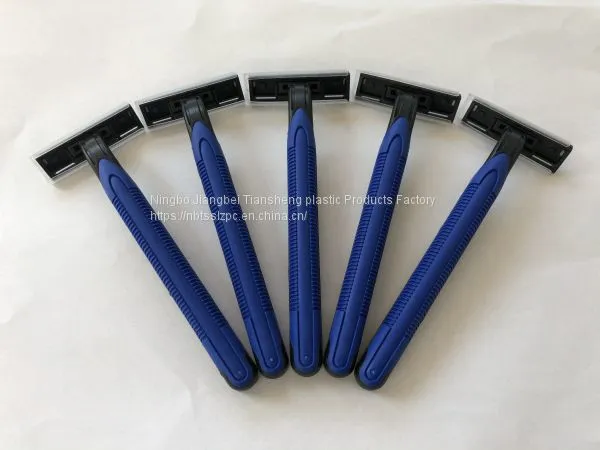
Twin-blade disposable razors occupy the volume heart of the market. They are the standard format in hotel amenities, promotional kits, and mid-tier retail distribution, and they deliver a balance of performance and cost that works across most price-sensitive channels. Their share of global disposable razor volume is substantial, and they remain the default choice for buyers who need predictable demand.
Triple-blade disposables sit a tier higher. They add a third cutting edge, typically paired with a more developed lubricating strip and, in many cases, a pivoting head. The format targets consumers who perceive blade count as a proxy for quality and who are willing to pay a modest premium for a smoother shave experience without stepping up to cartridge systems.
The two formats rarely compete head to head in the same aisle position. Retailers usually stock both: the twin-blade as the value option and the triple-blade as the step-up choice. The strategic question for a buyer is not which one to stock, but how to weight the assortment so that each format earns its shelf space.
2. Shaving Performance: What the Third Blade Actually Does
The engineering logic behind additional blades is straightforward. The first blade lifts the hair slightly, and the second blade cuts it before it retracts, which is known as the hysteresis effect. A third blade extends this effect, cutting the hair even closer to the skin in a subsequent pass.
In practice, the difference between two and three blades is most noticeable on coarse or dense facial hair. Test panels typically rate triple-blade razors as delivering a closer shave with fewer strokes. For light or fine hair, the difference narrows considerably, and many users cannot distinguish between the formats in a blind test.
Sensitive skin introduces another variable. More blades mean more edges contacting the skin, which can increase irritation for some users even as it improves closeness. This is why the sensitive-skin segment does not automatically favor higher blade counts; formulation of the lubricating strip and the blade gap matter more than the raw number of edges.
3. Cost Structure: Unit Price and Margin Impact
The unit cost difference between twin-blade and triple-blade disposable razors comes from three sources: one additional blade, a more complex head housing, and typically a larger lubricating strip. Each adds material and assembly time, and the cumulative effect is measurable at wholesale level.
For orders of 50,000 pieces or more, the wholesale gap between comparable twin-blade and triple-blade models typically ranges from 3 to 6 US cents per unit. A twin-blade razor that costs roughly 6 cents ex-factory might be matched by a triple-blade version at 9 to 12 cents, depending on handle material, packaging, and pivoting features. The percentage premium is often in the range of 40 to 70 percent over the twin-blade baseline.
Margin behavior differs by channel. In a discount or value channel, a 5-cent price gap can move consumers to the cheaper option, so the twin-blade format protects volume. In a mid-tier or premium channel, the triple-blade format can command a retail price that preserves or improves margin despite the higher landed cost.
| Dimension | Twin Blade | Triple Blade |
|---|---|---|
| Typical wholesale price (50k+ units) | Roughly 5–8 US cents | Roughly 9–14 US cents |
| Shave closeness rating (test panels) | Good for light to medium hair | Closer on coarse or dense hair |
| Target retail positioning | Value, hotel, promotional | Step-up, mid-tier retail |
| Lubricating strip complexity | Basic to standard | Larger, often multi-zone |
| Pivoting head availability | Occasional | Common in premium models |
| Assembly line speed | Faster | Slower, more stations |
| Typical MOQ flexibility | High | Moderate |
The table above summarizes the typical trade-offs a buyer should weigh. The exact figures vary by factory, material specification, and order volume, so they should be treated as planning ranges rather than fixed quotations.
4. Manufacturing Complexity and Lead Time
Adding a third blade changes the production process in several ways. The head housing needs an additional blade slot and spacer, the assembly line gains one more insertion station, and blade alignment tolerances become tighter because three edges must sit in the correct geometric relationship rather than two.
These changes reduce line speed and increase the risk of alignment defects. A factory producing twin-blade razors at 45 to 60 units per minute on a given line will typically see output fall to 35 to 50 units per minute on the triple-blade format with the same staffing. Per-unit labor cost rises accordingly.
Lead time is affected mainly through scheduling rather than process duration. Both formats run on the same molding and assembly equipment, so switching between them requires a mold and fixture changeover that typically takes a few hours. Buyers ordering both formats can combine them in a single production slot with a mid-run changeover, which simplifies logistics and can reduce total lead time compared to two separate orders.
5. Demand Patterns Across Regions and Channels
Demand for triple-blade disposables concentrates in developed retail markets where consumers already understand multi-blade shaving. Urban markets in Western Europe, North America, and parts of the Middle East show the strongest uptake, and the format is increasingly visible in drugstore and convenience retail.
Twin-blade demand is more universal. It dominates in price-sensitive markets across Southeast Asia, Africa, and Latin America, and it is the format of choice for institutional buyers such as hotels, airlines, and relief organizations. In many emerging markets, the twin-blade razor is the household standard, and the triple-blade format remains a niche premium item.
Channel behavior reinforces this split. Promotional and private-label programs overwhelmingly specify twin-blade because cost per unit is the dominant factor in giveaway economics. Retail chains with a value-plus-step-up strategy stock both, and the mix typically favors twin-blade by volume even where triple-blade earns a higher unit margin. Suppliers like Tiansheng Plastic Products track this split across their export programs and use the data to advise buyers on assortment planning.
6. Case Studies from Actual Orders
A hotel supply distributor in the Middle East runs a recurring program supplying twin-blade razors to a group of properties across several cities. The initial order was 120,000 units, and the program has grown to roughly 400,000 units per year. The buyer evaluated a triple-blade option for the group's business-class properties but found that the twin-blade format already exceeded guest expectations at a fraction of the cost. The twin-blade format remains the specification across the entire group.
A retail chain in Eastern Europe, by contrast, tested both formats across twenty stores. The triple-blade line generated a higher sell-through rate and a better margin contribution in the first two months, but the twin-blade line still carried the majority of unit volume. The chain now stocks both, weighting the twin-blade at roughly 70 percent of shelf allocation and the triple-blade at 30 percent, with the split adjusted quarterly based on sell-through data.
7. Quality Considerations Specific to Each Format
Blade alignment is the most consequential quality variable for both formats, but the risk is higher in triple-blade construction. Three edges must share a consistent relationship with the skin plane, and a misalignment of even a fraction of a millimeter creates uneven cutting pressure that users experience as pulling or irritation.
The lubricating strip also deserves scrutiny in triple-blade models. Because these razors are positioned as premium, the strip is often larger and more elaborate. Strip adhesion must withstand the molding and assembly process, and the activation time should be consistent across the batch. A strip that detaches in transit or activates too quickly undermines the product's premium positioning.
At Ningbo Jiangbei Tiansheng Plastic Products Factory, the QC team treats the two formats with the same rigor but applies additional sampling density to triple-blade runs. Alignment checks are performed more frequently, and pull-test records for head attachment are reviewed before release. The factory's experience across both formats allows buyers to source a mixed assortment from a single partner without splitting quality standards.
8. Matching the Format to Your Channel Strategy
The choice between twin-blade and triple-blade formats should follow the channel economics rather than a general preference for more blades. Buyers serving value channels, institutional programs, or promotional distribution should weight heavily toward twin-blade. Buyers serving mid-tier retail with a step-up assortment should include triple-blade as the margin product.
Volume buyers can reduce risk by running both formats in a controlled test. Ordering a small triple-blade batch alongside the established twin-blade volume, placing it in a subset of stores, and measuring sell-through and margin over two or three months provides channel-specific data that no market report can supply. The same factory can produce both formats, so the test requires no additional supplier qualification. At Ningbo Jiangbei Tiansheng Plastic Products, buyers routinely run this kind of two-format test before scaling the mix.
A pricing discipline also helps. The triple-blade format should be priced to deliver a margin that justifies its higher landed cost and its slower inventory turns. If the channel cannot support the premium, the twin-blade format remains the safer allocation.


9. Frequently Asked Questions
9.1 How much more expensive is a triple-blade razor at wholesale?
The wholesale premium for a triple-blade disposable razor over a comparable twin-blade model typically ranges from 3 to 6 US cents per unit for orders of 50,000 pieces or more. A twin-blade razor in the 5 to 8 cent range may be matched by a triple-blade version at 9 to 14 cents, depending on handle material, lubricating strip, and whether the head pivots. The premium is driven by the additional blade, a more complex housing, and slower assembly. Buyers should request quotations for both formats from the same factory to get an accurate comparison.
9.2 Do triple-blade razors really shave closer?
Triple-blade razors typically deliver a closer shave on coarse or dense facial hair because the third blade extends the hysteresis effect, cutting hair closer to the skin after the first two blades lift and cut it. On light or fine hair, the difference is often difficult to notice, and some users cannot distinguish the formats in a blind test. Sensitive-skin users may find additional blades increase irritation even as closeness improves. The blade gap, edge geometry, and lubricating strip matter more than the blade count alone.
9.3 Which format sells more in emerging markets?
Twin-blade disposable razors dominate emerging markets across Southeast Asia, Africa, and Latin America. They are the household standard in many price-sensitive channels, and institutional buyers such as hotels and relief organizations specify them for cost reasons. Triple-blade formats remain a niche premium item in these regions, most visible in urban drugstores and mid-tier retail. A buyer serving emerging markets should weight the assortment heavily toward twin-blade and treat triple-blade as a step-up option for urban or higher-income segments.
9.4 Can one factory supply both twin and triple-blade formats?
Yes, an established factory can produce both formats, though not on the same line simultaneously. The head molds and blade-insertion fixtures are format-specific, so switching requires a changeover that typically takes a few hours. Ningbo Jiangbei Tiansheng Plastic Products Factory runs both formats and frequently combines them in a single production slot for buyers who order a mixed assortment. This arrangement keeps quality standards consistent across the range, shortens total lead time compared to two separate orders, and simplifies supplier management for the buyer, who deals with one quality standard, one set of documents, and one contact point across the entire product range.
Recently Posted
-
Quality Control in Disposable Razor Manufacturing
September 4, 2026A private-label buyer once accepted a large production run based on a favorable sample and a competitive quotation. The first cont Read More
 -
Travel-Size Disposable Razors for Airlines and Travel Retail
September 4, 2026A regional airline once sourced its onboard grooming kits from three different suppliers to keep costs low. Each kit included a co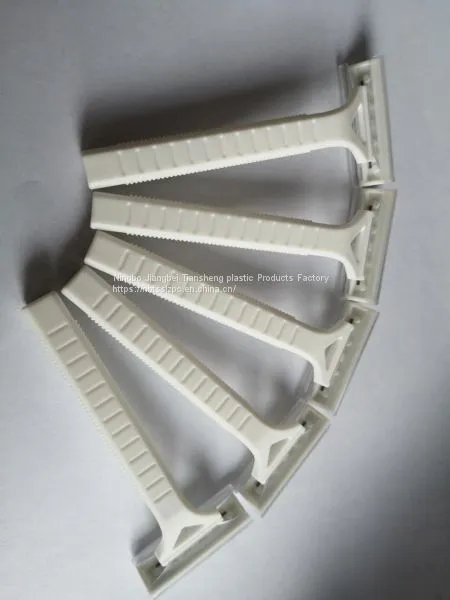 Read More
 -
Blade Sharpness Standards and Testing Methods for Disposable Razors
September 3, 2026A distributor in Africa once switched suppliers to save a fraction of a cent per razor. The new factory's blades looked identi Read More
 -
How Disposable Razors Are Made: A Complete Manufacturing Guide
September 2, 2026A few seasons ago, a distributor in Southeast Asia received a container of disposable razors that looked correct from the outside.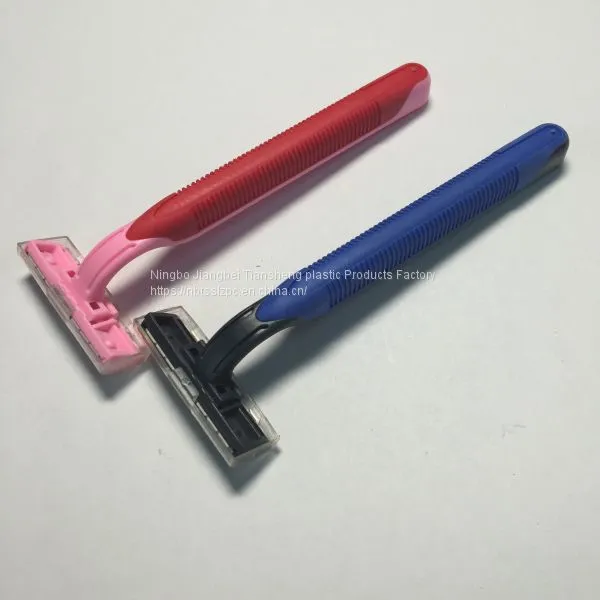 Read More

Contact Us
Recommended Products
-
 TS-C229-A Disposable Razor Male FemaleNegotiableMOQ: 10000 Pieces
 -
TS-C228 Disposable RazorNegotiableMOQ: 10000 Pieces
-
TS-C239 Disposable RazorNegotiableMOQ: 10000 Pieces
-
TS-C205 Disposable Razor With Two BladeNegotiableMOQ: 10000 Pieces
-
TS-C229A Disposable Razor ShaverNegotiableMOQ: 10000 Pieces



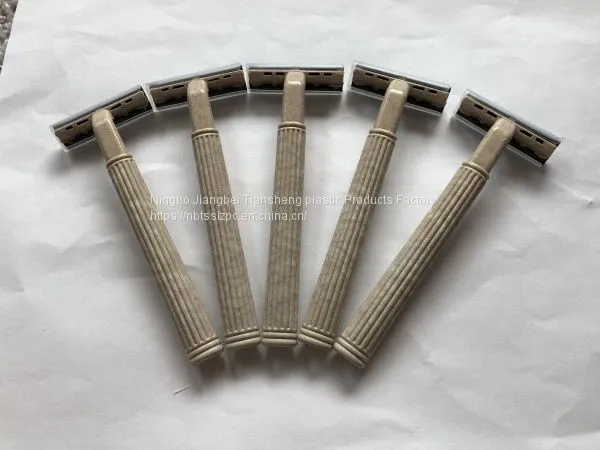


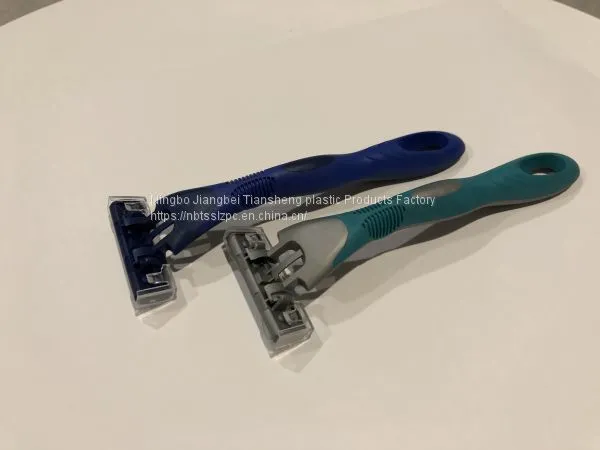
-
Disposable RazorNegotiableMOQ: 100 Pieces
-
TS-C216 Disposable Razor Personal CareNegotiableMOQ: 10000 Pieces
-
TS-C228 Disposable Razor ShaverNegotiableMOQ: 10000 Pieces
-
TS-212 Disposable Razor With Two BladeNegotiableMOQ: 10000 Pieces
-
TS-C229-A Eco-Friendly Disposable Shaving Razor Male FemaleNegotiableMOQ: 10000 Pieces


-
TS-C232 Disposable Hotel Shaving RazorNegotiableMOQ: 10000 Pieces
-
TS-C236 Eco-friendly Straw 2 Blade Shavers Wholesale Hotel Disposable RazorNegotiableMOQ: 10000 Pieces
-
TS-C209A Disposable Razor Shaver Four BladeNegotiableMOQ: 10000 Pieces
-
5-pc Disposable Razor ShaverNegotiableMOQ: 10000 Pieces
-
TS-C219 Eco Friendly Safety Wheat Straw Lady Men Hotel Travel Shaver Disposable RazorNegotiableMOQ: 10000 Pieces